What to Know About Roof Repair After Hail Damage
@gethaildamageroofrepairpress
November 9, 2026 · 8 min read
Hailstorms can hit fast and leave a trail of damage that is not always obvious from the ground. A roof that looks fine from the street may have hidden dents, cracks, or granule loss that will cause trouble later. Knowing what to look for and how the repair process works helps homeowners make informed decisions before bigger problems set in.
How Hail Damages Different Roofing Materials
The type of roof covering matters a great deal when it comes to hail impact. Asphalt shingles are the most common residential roofing material, and they show damage in a few distinct ways. A direct hit from hail can knock the mineral granules off the surface of a shingle, exposing the underlying asphalt. That exposed area then absorbs more heat from the sun and accelerates aging. Over time, those spots can crack and curl, and the shingle loses its ability to shed water.
Metal roofs handle hail differently. Depending on the gauge of the metal and the size of the hailstones, you may see cosmetic dents that do not affect performance. But larger hail can create sharp creases or even puncture the metal. Once the protective coating is breached, rust can start forming in that spot. Even if the dent looks shallow, it can create a low point where water ponds instead of running off, which increases the risk of leaks.
Tile and slate roofs are more brittle. A single large hailstone can crack a tile, and those cracks can go unnoticed for months until a heavy rain pushes water through them. The material itself may look intact, but the structural integrity is compromised. That is why a thorough roof inspection after any hailstorm is important, regardless of the roofing material.
Why You Should Not Wait to Act
Hail damage does not always cause an immediate leak. In fact, many homeowners discover the damage only when they notice a water stain on the ceiling during the next big rainstorm. By that time, moisture has already soaked into the underlayment and possibly into the attic insulation or framing. That hidden moisture can lead to mold growth, wood rot, and higher repair costs.
Another reason to move quickly is insurance. Most homeowners insurance policies cover storm damage, but they also require you to report the damage within a reasonable timeframe. Waiting too long can raise questions about whether the damage got worse because you neglected it. Having a professional inspection done soon after the storm gives you a clear record of what the hail did and what needs to be fixed.

There is also the matter of secondary damage. A hail-damaged roof that still sheds water most of the time may let in a small amount of moisture with every rain. Each event adds to the cumulative water damage. Over the course of a season, that can turn a straightforward repair into a much larger restoration job.
The Steps in a Typical Repair Process
Once you schedule an inspection, a roofing professional will walk the roof and look for common signs of hail impact. They check for dents in metal flashings, missing granules on shingles, cracks in tiles, and any displaced or lifted material. They also inspect the gutters and downspouts because granules washed off the roof often collect there, giving a clue about how much damage occurred.
After the inspection, the next step is to decide whether repairs or a full roof replacement makes more sense. That decision depends on the extent of the damage and the age of the roof. A roof that was already near the end of its service life may not be worth patching in multiple places. In that case, a replacement can be more cost-effective and provide better long-term protection. For newer roofs with isolated damage, targeted repairs usually do the job.
If the damage is severe enough that the roof cannot keep water out until repairs are made, a temporary tarp installation may be necessary. A heavy-duty tarp is secured over the damaged area to stop further water intrusion. This is a short-term solution that buys time while you work through the repair process. It is not meant to replace a proper repair, but it can prevent interior damage during a rainy spell.
Leak detection is another part of the process. Sometimes the damage is not where you expect it. Water can travel along rafters or decking before it drips into the living space. A leak detection service uses moisture meters and sometimes infrared cameras to find the exact entry points. That information helps the repair crew address the real source of the problem rather than just patching the spot where water shows up inside.
What Hail Damage Roof Repair Actually Involves
The phrase "hail damage roof repair" covers a range of tasks depending on the roof type. For asphalt shingles, the repair typically means removing the damaged shingles and replacing them with new ones. The roofer lifts the edges of the surrounding shingles, slides out the old nails, and installs replacements that match the existing color and style. It is a straightforward process, but it requires careful handling to avoid damaging the shingles that are still in good shape.
For metal roofs, repair may involve straightening minor dents with a specialized tool or replacing a panel if the damage is too deep. The challenge with metal is matching the finish. Even if the panel is replaced with the same material, the new section may look slightly different until it weathers. For some homeowners, that cosmetic difference matters. For others, stopping the leak is the only priority.
With tile or slate, repair means replacing individual cracked or broken pieces. The roofer removes the damaged tile, checks the underlayment for water damage, and slides a new tile into place. This is a delicate job because the surrounding tiles can shift if not handled properly. It is also more expensive per tile than shingle replacement because the materials cost more and the labor requires more skill.
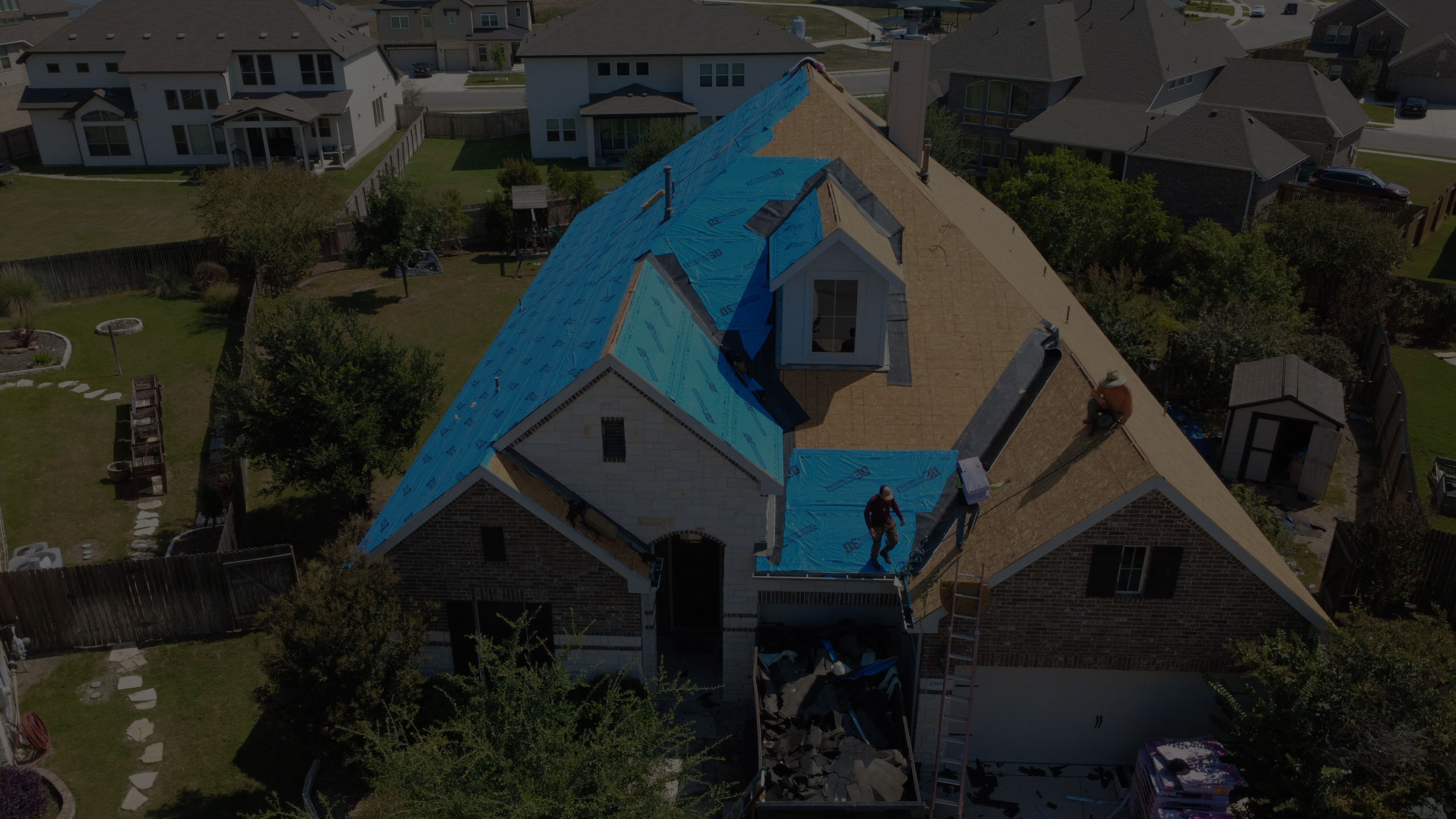
After the repairs are done, the roofer should do a final inspection and may run a water test to confirm the area is watertight. That is a good time to ask about maintenance steps to keep the roof in good condition going forward.
How to Prepare for the Insurance Claim Process
Filing an insurance claim for hail damage can feel complicated, but a few steps make it easier. Start by taking photos of the damage from multiple angles. Get close-up shots of dented vents, cracked tiles, and missing granules. Also take photos from the ground showing the overall condition of the roof. These images give the adjuster a clear picture of what happened.
Keep any documentation from the inspection. A written report from a roofing professional carries weight with insurance companies. It shows that the damage was assessed by someone who understands roofing, not just a visual guess. If the roofer recommends a full replacement, ask them to explain why in writing. That explanation can help support a larger claim if the adjuster initially approves only partial repairs.
Be prepared for the adjuster to visit the property. They will take their own measurements and photos. It helps to be present during that visit so you can point out specific areas of concern. If the roofer can also be there, even better. The adjuster and the roofer can talk directly about the scope of work needed, which reduces the chance of misunderstandings later.
When considering the full scope of work, remember that storm restoration may include more than just the roof. Hail can damage skylights, vents, flashing, and even the chimney cap. A complete restoration addresses all those components so the entire roof system is sound. Pointing out all the damage during the initial claim helps avoid paying for separate claims later.
What Homeowners Often Overlook
One common oversight is the condition of the roof deck under the shingles. When a hailstorm is severe enough, the impact can fracture the wood decking even if the shingles appear only slightly scuffed. A roofer who removes damaged shingles may find broken deck boards underneath. That is a hidden cost that can catch homeowners off guard if they were expecting only a surface repair.
Another detail is the age and condition of the flashing around chimneys, vents, and roof valleys. Flashing is often made of metal and can get dented or pulled loose by hail. Even a small gap in the flashing can let water in, and it may not show up as a leak until wind drives rain from a certain direction. Having the roofer check all flashing during the inspection is a smart move.
Gutters and downspouts also take a beating. Dented gutters do not drain as well, and clogs from granules washed off the shingles can cause overflow. Overflowing gutters can saturate the fascia board and lead to rot. Cleaning and inspecting the gutter system after a hailstorm is a simple step that prevents a separate repair down the road.

Finally, do not forget about the attic. After a storm, go up into the attic with a flashlight and look for any signs of moisture, daylight coming through the roof deck, or water stains on the rafters. If you see any, mark the spot so the roofer can find it easily. That small effort can help the repair crew pinpoint the exact location of a leak without having to guess from the outside.
Making a Sound Decision for Your Home
Hail damage is frustrating, but it does not have to lead to long-term problems if you handle it methodically. Start with a professional roof inspection. Let the results guide your decision on whether to repair or replace. Work with your insurance company to get a fair settlement. And choose a contractor who specializes in storm restoration so the work is done right the first time.
Understanding what "hail damage roof repair" actually involves helps you ask the right questions and avoid surprises. Whether your roof needs a few shingles replaced or a full tear-off, the key is acting quickly and working with people who know how to restore a roof to its pre-storm condition. With a clear plan and the right help, your roof can be back to protecting your home before the next storm season arrives.